
Styx: Blades of Greed - EXCLUSIVE Interview | Game Director Julien Desourteaux talks Revival, Sandbox Stealth and More!

I had the pleasure of asking Julien Desouteaux, Game Director of Styx: Blades of Greed at Cyanide Studio, about the development of their latest adventure starring everyone’s favorite sarcastic green goblin. I’d like to sincerely thank Julien for taking the time to share insights into the game and for answering my questions.
Enjoy the interview!
Cyanide Studio spokesperson: Julien Desourteaux, Game Director and Creator of Styx
1. After nearly a decade since Styx: Shards of Darkness, what key factors inspired Cyanide Studio to revive the series with Styx: Blades of Greed?
First of all, the team was missing Styx, and we felt the franchise still had potential, particularly in expanding player freedom.
We also had the desire to evolve Styx beyond open corridor-based missions into a more systemic, sandbox-style stealth playground, which became possible with modern technology like Unreal Engine 5.
2. How did player feedback from the Steam demo influence final tweaks to gameplay mechanics like stealth and traversal?
We were really lucky to have such a fantastic community, and we truly thank them for their involvement, positive energy, and the feedback they sent us during the different stages of the game’s development.
We did our best to tweak the game using their feedback so they could have the experience they wanted.
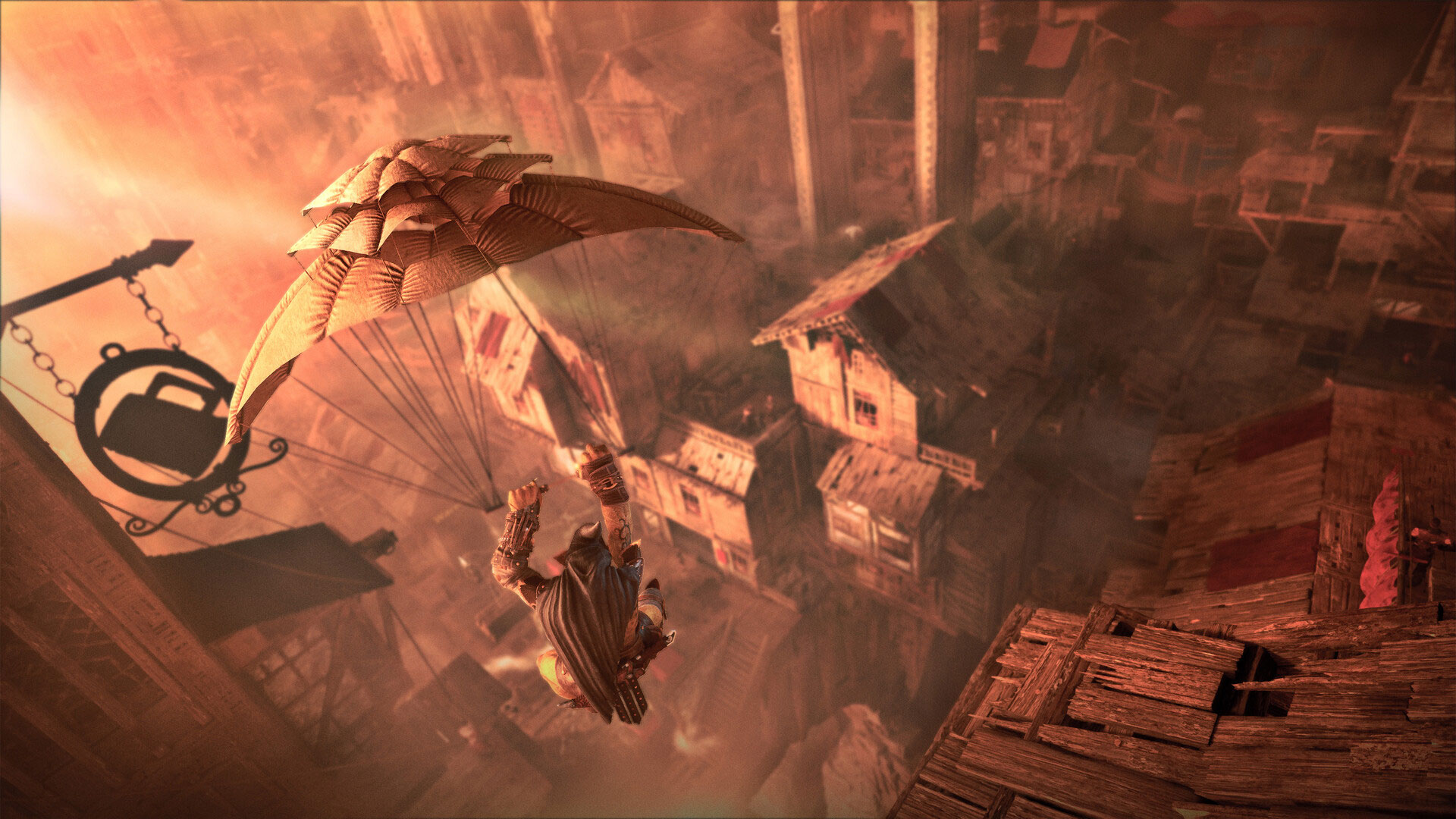
3. The game introduces semi-open world environments with massive verticality - what were the biggest technical challenges in designing these levels?
Our main challenges were managing streaming performance while allowing players to see far into the distance in environments with a lot of verticality and still ensuring level readability so players wouldn’t feel lost.
Maintaining AI consistency across those large, multilayered spaces was also a tough task.
4. Without spoilers, how does Styx: Blades of Greed resolve or build upon the cliffhanger from Styx: Shards of Darkness? Do you need to have played the previous titles to follow the story with Styx: Blades of Greed?
The story directly builds upon the consequences of Styx: Shards of Darkness, escalating political tensions and Styx’s personal ambitions.
However, newcomers can jump in. The narrative provides enough context to understand the motivations, though returning players will appreciate the deeper character arcs and references.
5. What new abilities, gadgets, or crafting options for Styx are you most proud of, and how do they enhance creative kills and traps? Do you have a favorite?
We are particularly proud of the ability to manipulate vertical structures, turning height itself into both a lethal weapon and an ally when fleeing danger.
The ability to throw a clone onto specific elements or NPCs was, for us, a great improvement over the original Clone ability, and we think it provides a smoother experience overall.
6. Styx: Blades of Greed shifts toward a more sandbox-style stealth - how did you ensure multiple viable paths and replayability in levels?
Our main philosophy was that each objective has to support different approaches and playstyles.
That’s why each situation is designed as a puzzle with multiple solutions, and having larger environments helps us a lot in crafting multiple paths that highlight those different solutions.
We also kept in mind that these situations can be resolved without using any abilities, so players won’t get stuck due to a lack of amber or crafted resources.
7. Built on Unreal Engine 5, what specific features (like Lumen or Nanite) did you leverage to achieve the dizzying heights of the Continent?
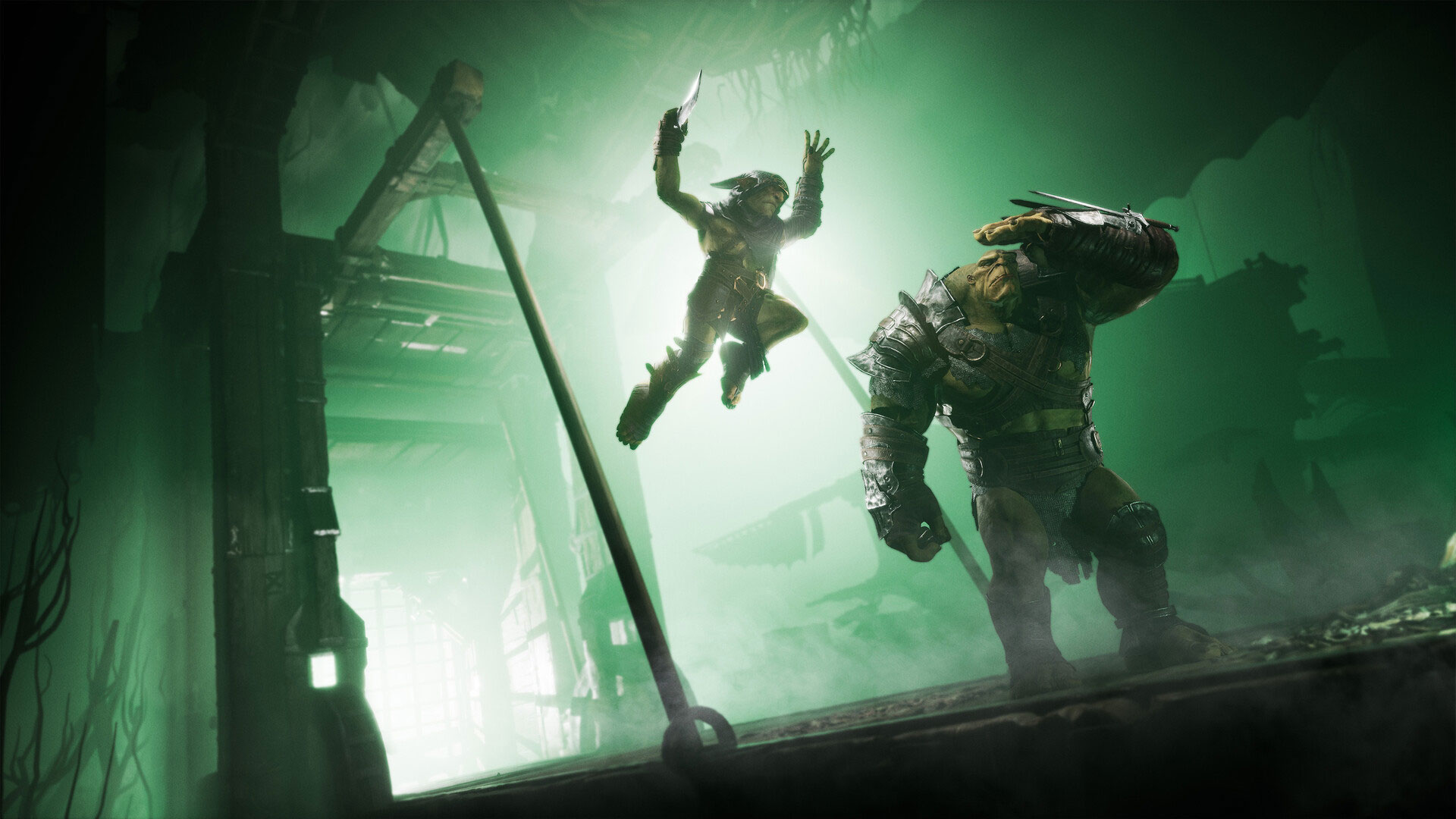
Combining Lumen and Nanite with our own 3D World Partition technology, developed in and with Unreal Engine 5 tools, allowed us to create those huge vertical structures without compromising stealth precision.
8. How did the art and sound design team approach world-building for the Empire's towering structures and Styx's humor?
The main theme and direction were based on contrast between the different pacing players experience (exploration and fast navigation versus pure stealth situations), as well as between large vertical open spaces and small interiors.
With all these contrasts in mind, the designers composed themes that can be mixed and blended together to ensure emotional engagement, allowing players to feel tension and relief, with Styx’s irreverent tone helping to release pressure during or after tough situations.
9. With the game launching tomorrow, what post-launch support can players expect, like patches, DLC, or New Game+? Maybe a photo mode?
With a lot of new players expected, we will focus first on bug fixing and quality-of-life improvements for the post-launch patches.
10. Stealth games face stiff competition today - what makes Styx: Blades of Greed a torchbearer for hardcore, non-handholding stealth experiences?
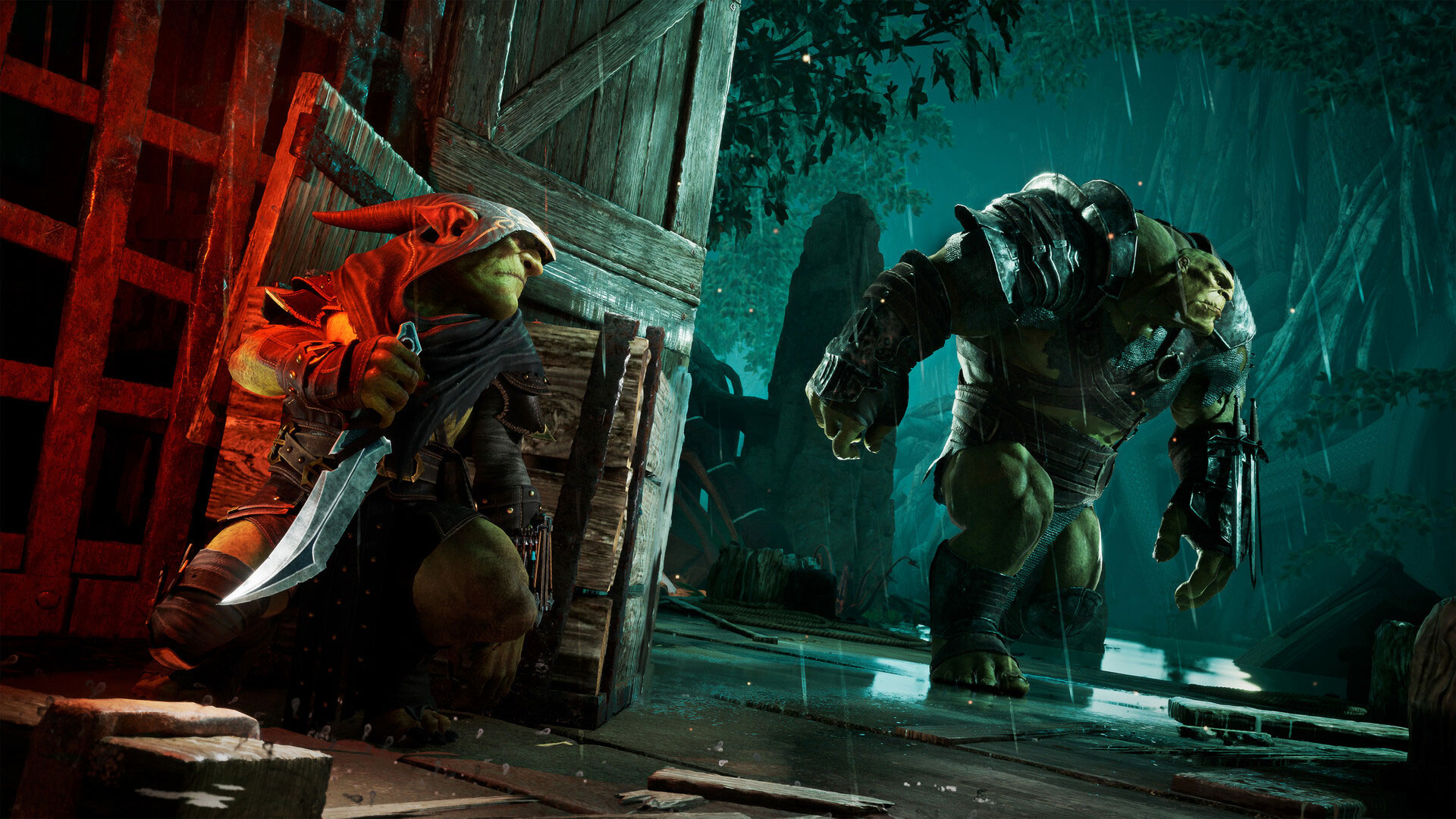
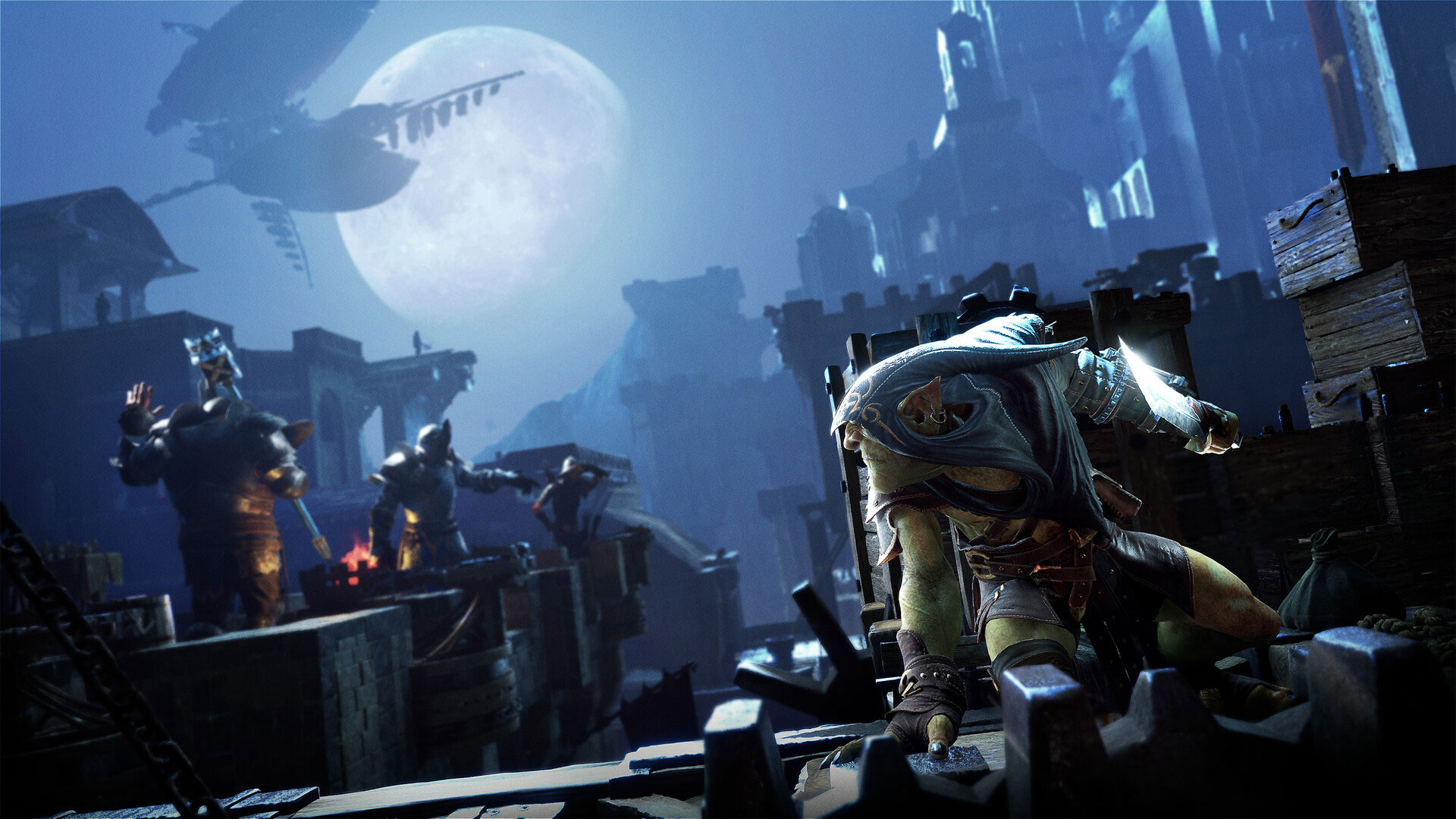
I think Styx is quite unique in its genre because it fully embraces a pure stealth identity rather than blending into action-RPG territory. You play as a fragile goblin who cannot face multiple enemies in close combat.
Styx’s agility, abilities, and the player’s creativity are the main weapons to overcome stealth puzzles without breaking one of the core pillars of the genre, which is vulnerability.
11. Looking ahead, are there plans for more Styx adventures, spin-offs, or expansions to the goblin universe at Cyanide Studio?
While nothing is formally announced, the shift toward larger environments and more systemic gameplay suggests a strong foundation for expansion or spin-offs.
If Styx: Blades of Greed succeeds, the Of Orcs and Men universe and the goblin’s future could be very promising.
12. With so much discussion around the use of AI, can you discuss how the team feels about using AI to help with game production without losing the human creative connection.
We did not use AI during the production of Styx: Blades of Greed.
For us, stealth design relies on handcrafted level layouts, carefully tuned AI behaviors and patrols, and deliberate artistic choices.
Everything was built through human iteration and collaboration between the different developers, designers, artists, and actors.
I want to once again thank Julien Desouteaux very much for taking the time to answer my questions.
Let us know in the comments what your favorite gameplay moment is in Styx: Blades of Greed. You can also check out our full review of the game here.

Comments (0)
No comments yet. Be the first to share your thoughts!