
Why I Hate This Place is 2026's Must-Play Isometric Horror Game

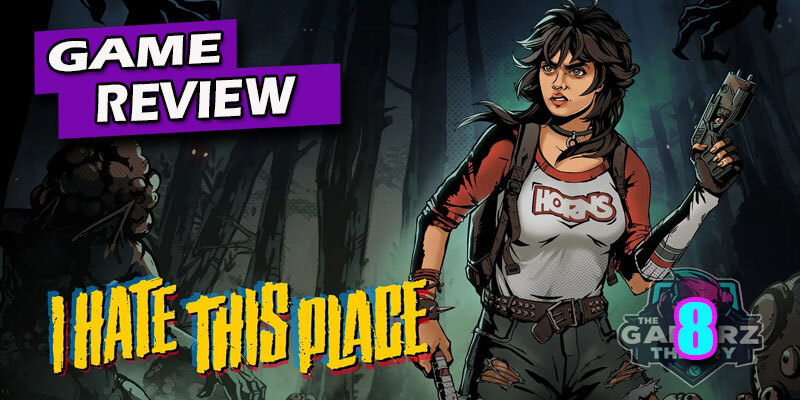
I Hate This Place is an incredible isometric survival horror adventure!
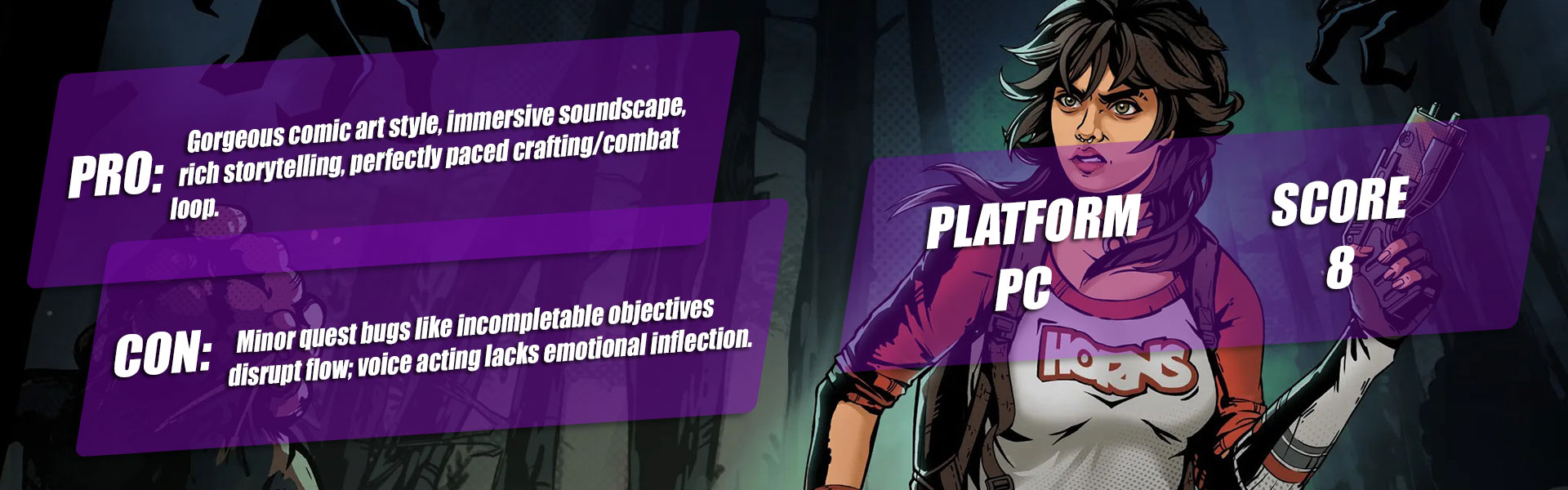
It has a gorgeous yet simple art style that contributes to a thick atmosphere of tasteful horror, complete with an immersive soundscape to magnify the experience. I Hate This Place is perfectly paced despite being an open world packed with rich environmental storytelling. The action-combat elements are easy to harness, and smashing mutants and monsters never gets old.
Who are we, and why are we here?
We play as Elena, returning to Rutherford Ranch to investigate what happened to her mother. This serves as the character motivation for braving the horrors, but I quickly found myself more inspired by the well-written characters and a genuine urge to explore. Throughout the game, you encounter quest-giving characters who are each compelling and believable- meaning, without exception, they have vibrant personas and suitably written dialogue. The Priest might be my favorite, but importantly, these characters give the environment a proper sense of meaning. I can easily get immersed in their stories and find myself playing for hours on end.
I Hate This Place must be based on the comic book series (which I'll touch on later), but it clearly takes inspiration from legendary horror series such as Silent Hill and Resident Evil. This game takes elements from each and uses them to great effect. First, the maps: Elena is a sketch artist who constantly sketches things in a journal, including a map of the Rutherford area. I won’t show this map because, as you explore and uncover locations, icons are added to reflect these discoveries. These additional details sketched onto the map triggered my ancient memories of the original Silent Hill 2, where that exact system may have premiered. In any case, my natural urge to explore the map was exploited to full effect. This is one system that propels the player from one awesome location to the next, finding unique characters and spooky horror elements along the way.
.jpg)
This leads to that Resident Evil inspiration I mentioned. All throughout the many quests and locations is an abundance of environmental storytelling. Everywhere you go is either bathed in suspense or filled with mutated creatures and body horror and in all cases, you can find little bits of lore about the events that transpired. In almost all of these bits of lore, the wording and style is very similar to what you'd find in Resident Evil 2, for example: "Specimen has mutated into horror beyond comprehension. We cannot let it escape containment!" Followed by the next entry: "It escaped containment." The cliché is mildly amusing after all these years, but it’s a tasteful way of acknowledging the inspiration. These two main influences come together in I Hate This Place to successfully captivate the audience.
.jpg)
I wasn’t aware of this prior to playing, but there is a comic book series from which I Hate This Place takes its namesake. I have no idea how much (if any) of the comic book details are represented in the game, but the art style obviously is. The art style is part of the design ethos of I Hate This Place. An important thing to note is its ability to embrace a “less is more” design principle. Visually, the cartoonish art style both lowers viewers' expectations of fidelity while delivering a lot of detail and charm to every piece of the spectacle.
.jpg)
This concept also comes across in the audio department. While I found the voice acting to be good enough, my only complaint is that the voice actor lacks contextual inflection; no matter the situation, it’s obvious the lines were recorded in a comfortable sound booth. But that’s really inconsequential overall. Voices aside, the audio embraces a less-is-more approach with deep ambient sounds depending on the player's location. There’s a rich presence in each subsection of the map—until something dangerous breaks the calm. I was caught by surprise many times by a horrible mutated stag announcing itself with a startling call. A lot of indoor locations might have blood, guts, and living tendrils that lash out at players. These tendril things also make a disgusting squelching noise as a warning. The background audio contributes to the scares by conditioning the player with smooth, calm ambience, ensuring that the audio cues from horror elements are loud and jarring by contrast.
.jpg)
I Hate This Place has a huge amount of content to play through, and the character progression arc is perfectly paced. Stealth and avoidance are very important in the beginning, as ammo is scarce and enemies are formidable. As the player finds blueprints and collects materials to rebuild the Rutherford Ranch, the new constructions provide materials to craft weapons and ammunition. This gameplay loop is rewarding and grows the player from a stealthy weakling to a gun-toting fighter. I’m normally not a fan of these systems because they often pad the runtime, but in this case, I never felt pressured to look for resources. It does inflate the game a little, but more importantly, the system rewards you with better combat effectiveness to keep up with increased threats.
.jpg)
The overall experience was overwhelmingly positive. It’s quite difficult to find something to complain about with I Hate This Place. The only potential issue I encountered was a possible bug with specific quest objectives. In one quest that sees Elena deep within a coal mine, we’re tasked with powering a generator. To do so, we must access a room and acquire diesel fuel. Despite having done so, the objectives wouldn’t register as complete, leaving me wandering aimlessly in confusion. It’s possible I misunderstood and there’s actually a second generator, but I couldn’t resolve it regardless. As annoying as this was, I didn’t let it sour the experience overall. Due to the open nature of the game, I was able to simply move on with my adventure. I expect this to be fixed in early patches or a day-one update. When it comes to I Hate This Place, every moment of gameplay was fun. The initial stealth action was exciting and foreboding, while the combat quickly became very satisfying. Exploring every inch of this gorgeous isometric world felt incredibly rewarding, and every encounter told a lush story. The horror elements never felt cheap or unearned, due in no small part to the expert sound design. Nearly every part of this game comes together to form one of 2026’s first hits.


Comments (0)
No comments yet. Be the first to share your thoughts!