
Painkiller Review | A Shallow Boomer Shooter That Needs Friends to Shine | Xbox Series X

Painkiller
Painkiller is a very interesting modern so-called “boomer shooter.” The game borrows elements from several highly regarded forebears and combines them to create a unique and enjoyable multiplayer shooting gallery. That said, it is held back by its small scope and shallow motivation. An excruciating additional factor is the server-based nature of the game. After several botched attempts to play, I seriously began to wonder whether Painkiller was actually a painkiller or just a placebo.
So let’s get into it.
The Prognosis
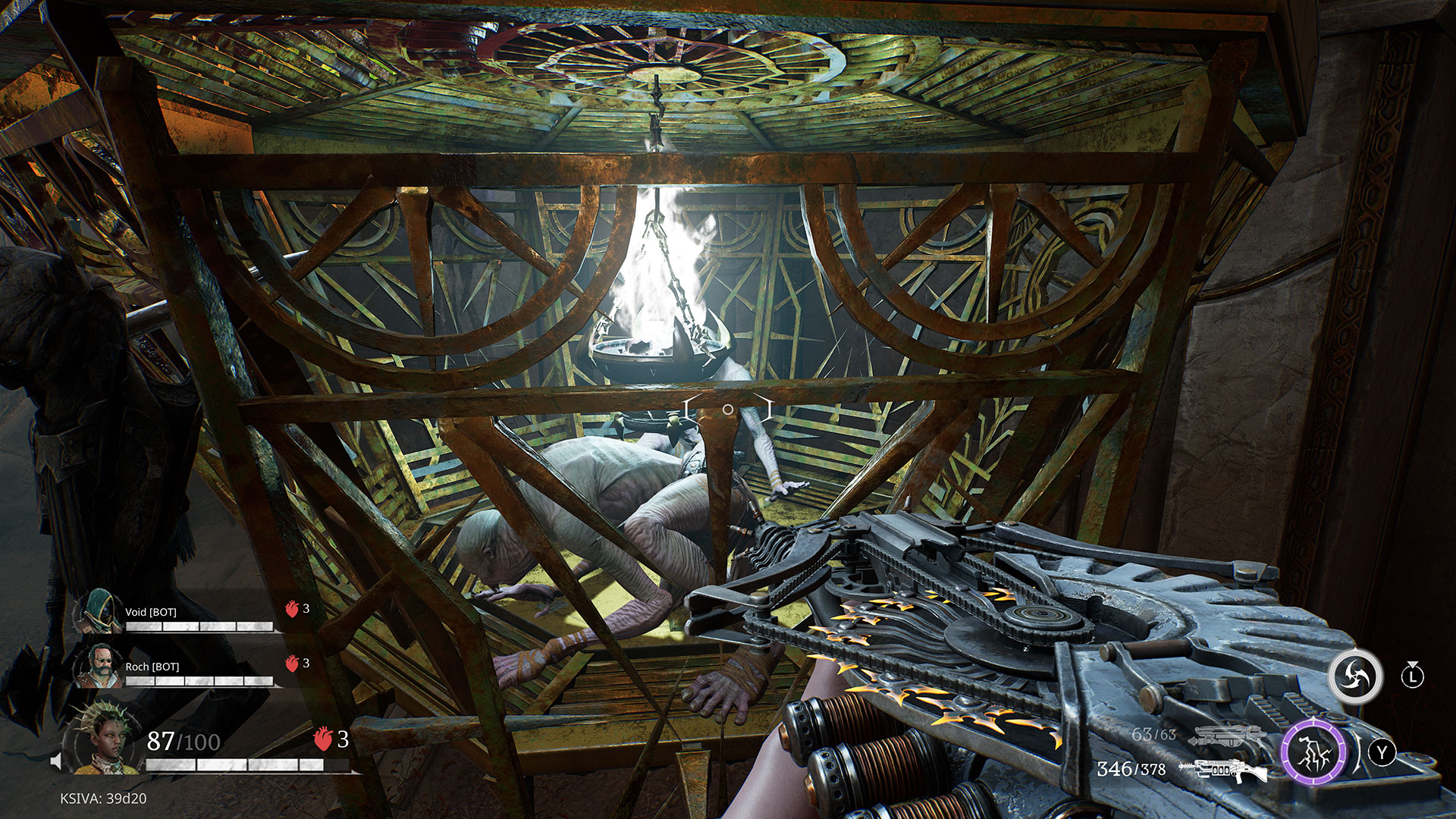
Painkiller is a fun jumble of familiar elements. It wears its Doom-esque movement and visual style on its sleeve, throws in Dynasty Warriors-level of enemy hordes, and at times even feels like Left 4 Dead. Unfortunately, and perhaps predictably, it never quite reaches the pantheon of its inspirations. Each borrowed element is executed competently, but without convincing lore or a sense of urgency, they don’t gel into something greater than the sum of their parts. Painkiller is a lot of fun in the moment, yet ultimately feels lesser for it.
Sticking with the creative inspirations, the Left 4 Dead influence is most obvious in the co-op structure and character selection. It may be unfair to keep measuring Painkiller against Valve’s classics, but any multiplayer horde-slaying campaign invites comparison. In Left 4 Dead and Left 4 Dead 2, the survivors were vivid caricatures of American stereotypes with distinct personalities and attitudes - characters you actually remembered.
In condemnable contrast, Painkiller’s roster consists of poorly decorated blank slates designed purely for player insertion. These absolutely forgettable mannequins are lifeless, boring, and - most importantly - give the player nothing to care about.
(I know this is a Painkiller review, but bear with me.)
In Left 4 Dead, the characters oozed personality in every cutscene and interaction. More crucially, they actively helped guide the player: shouting discoveries, calling out enemy types, and yelling status updates in real time. Those voice lines were useful, sophisticated, and burned themselves into your memory. Nearly twenty years later, I can still hear Bill, Francis, or Coach screaming “Pills here!” or “Witch!”
Painkiller’s pedestrian puppets? I can’t even remember what their voices sound like. They spout the bare minimum of dialogue throughout the entire campaign, and every line feels meaningless and disconnected from whatever passes for a plot (what plot?). They never help the player, never endear themselves, and leave the combat utterly stakeless.
I suspect the minimal effort put into lore and characters is deliberate. Painkiller seems designed to be played with friends, pushing higher difficulties until each raid is mastered and the combat loop perfected. The “story” is whatever you and your squad make up along the way… assuming you actually have friends to play with (more on that later).
Prescription
Weak player-insert characters and a near-nonexistent story could be forgiven if the combat and campaign design were exceptional. They aren’t. A prospective player who has only seen a trailer or some clips might expect a Doom (2016)-style adrenaline rush. Visually, Painkiller borrows heavily from Doom, but the moment-to-moment gameplay and upgrade systems couldn’t be more different.
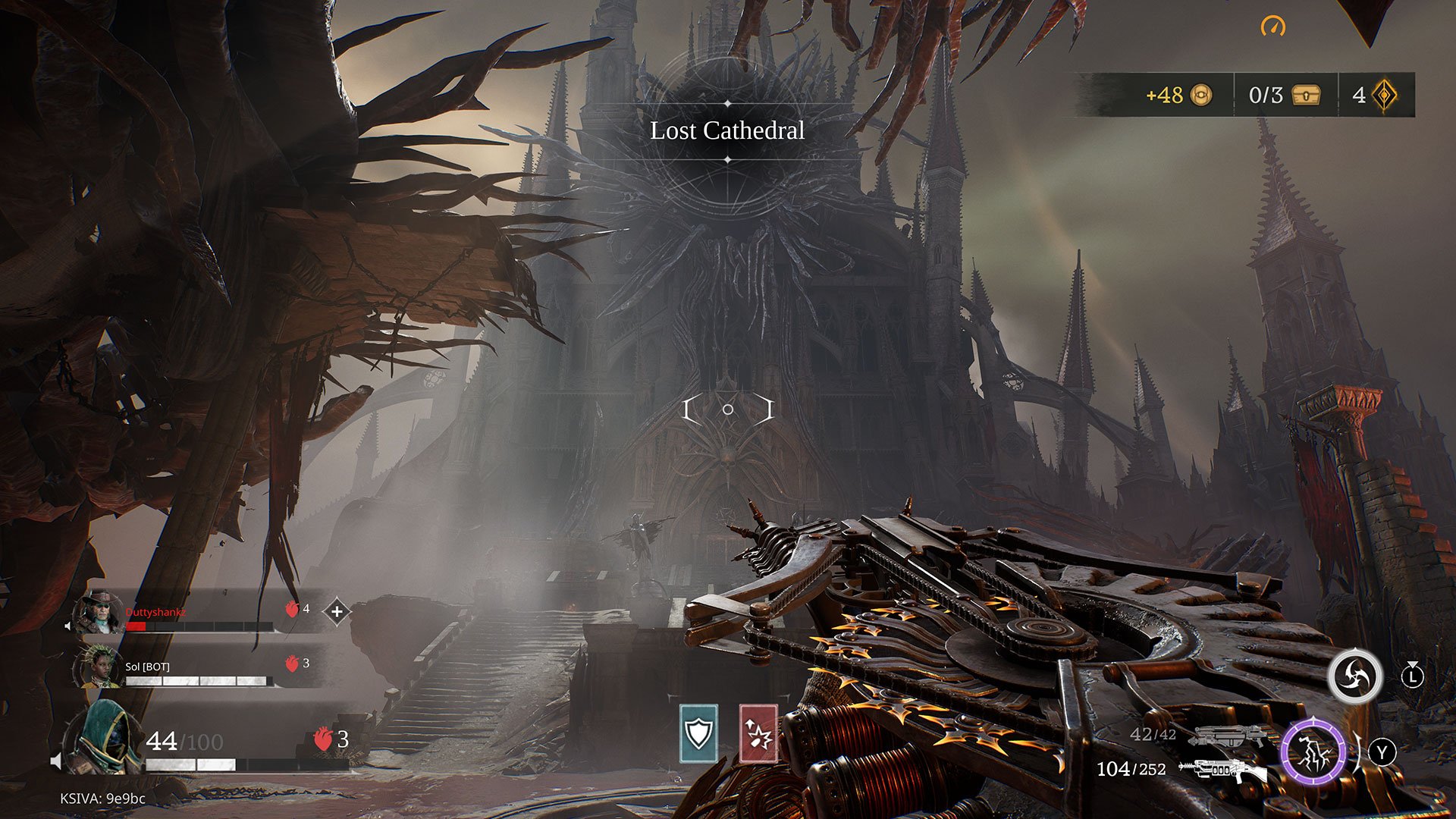
For starters, there is no double-jump or dash, resulting in a noticeably slower pace. That alone is disappointing; many arenas would have been approached differently with modern movement options.
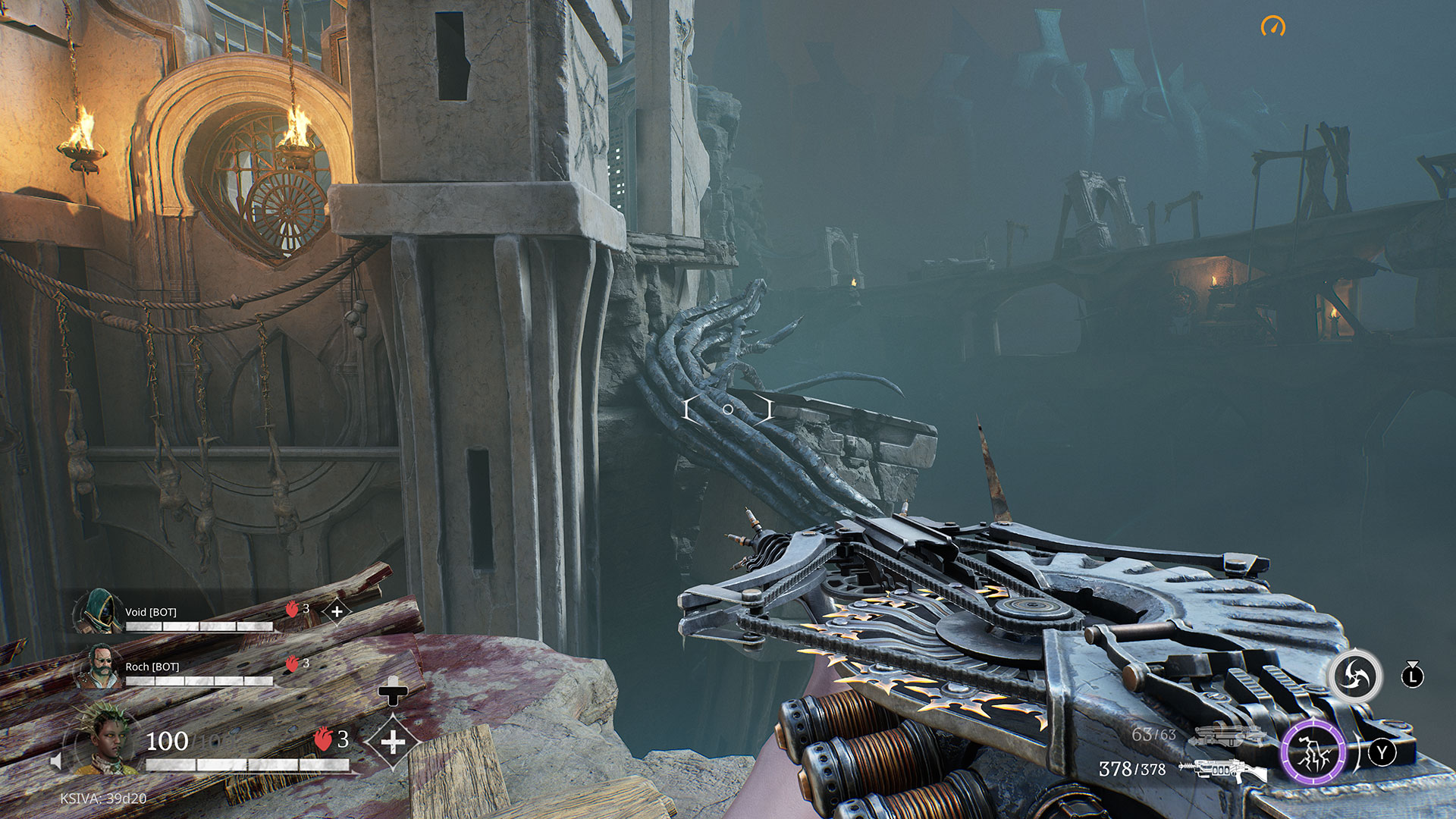
The game calls its big combat set-pieces “arenas.” Each raid strings together a series of these arenas separated by tedious platforming and exploration sections, culminating in one of three boss fights. Unfortunately, the arena design never reaches the heights of Doom’s best encounters, and the downtime between them is outright dull. You’ll pick up coins, health, ammo, and lures, but none of it feels rewarding. Even the “secret” rooms - opened by having one player stand on an obvious button or by whacking a spiral-marked wall with the titular Painkiller weapon - require zero skill or cleverness.
In short, most of Painkiller’s level design runs counter to the core pillars that make boomer shooters great.
Procedure
Although it shares a passing resemblance to its contemporaries, closer inspection reveals Painkiller is noticeably inferior in direction and variety.
The campaign-of-combat-arenas concept is undeniably Doom-inspired, but the quality of those arenas varies wildly. Wave after wave of “kill everything” becomes tedious labor. One of the starting weapons has ricochet + homing projectiles, so on lower difficulties you can literally hold the trigger, point in a cardinal direction, and watch everything die. Sticking to a single weapon quickly makes the game mind-numbingly dull.
Difficulty scaling is another weak point. The sliders only adjust damage dealt and damage taken - lazy design. Enemy variety is extremely limited, and nothing poses a serious threat. Even the toughest regular enemies melt when the team focuses fire.
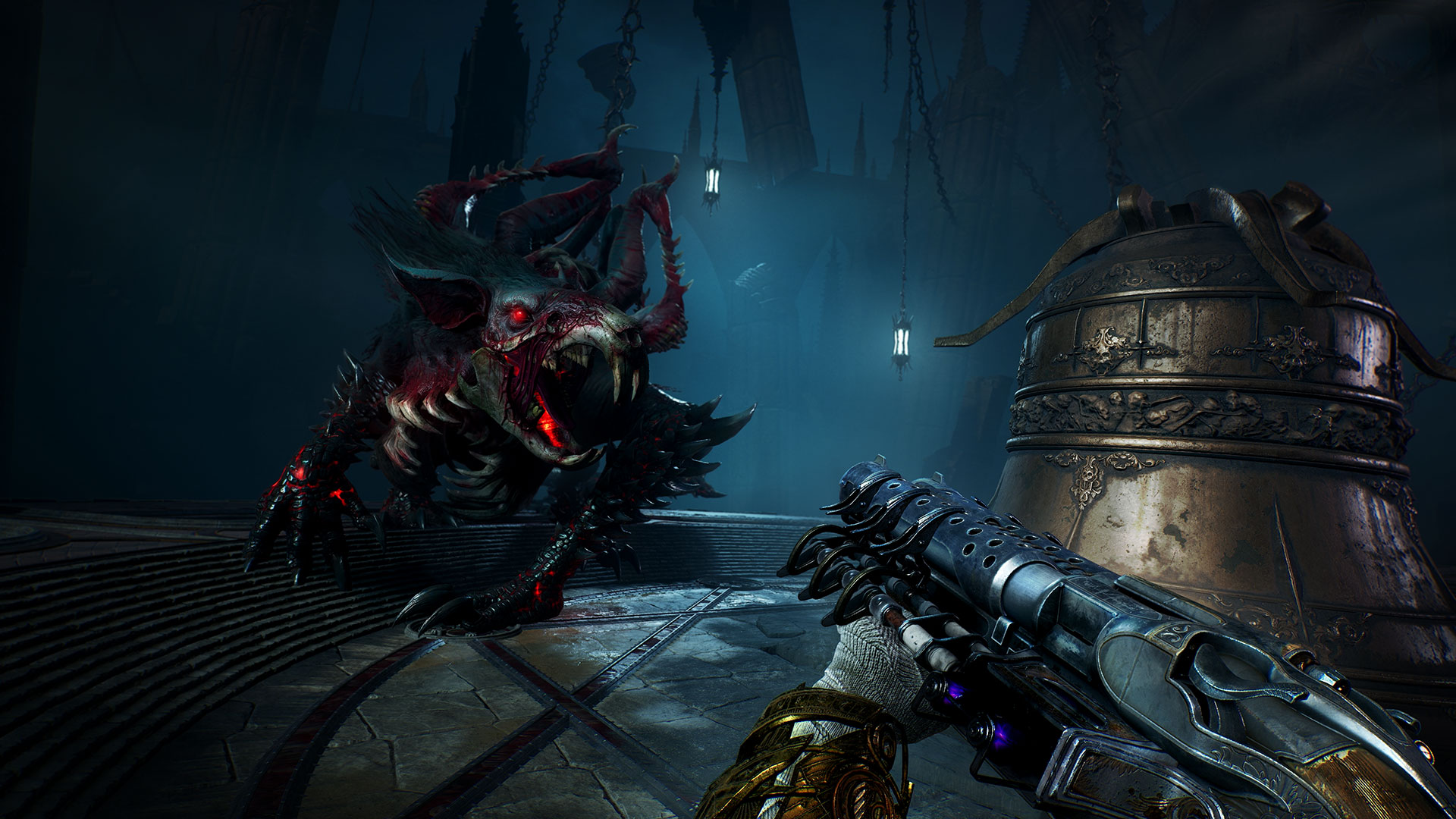
The clear highlights are the three biome-ending boss fights. These massive, raid-like encounters are easily the most enjoyable and memorable parts of the game. Whether you’re capturing points to “perform the ritual” or tossing soul orbs into a machine, these sequences feel genuinely realized. Strangely, I went in expecting “Doom with friends” and came out craving proper Destiny-style raids.
The weapon-upgrade and tarot-card systems are the one area where Painkiller shows real promise. Upgrades are purchased with coins and essence earned during runs, and the tarot cards - randomly unlocked for 3000 coins each - offer powerful one-run modifiers (extra damage, damage resistance, “enemies ignore you while reviving,” etc.). It’s an excellent framework that could have provided meaningful build variety and a proper difficulty curve if the game actually demanded you to engage with it. As it stands, you can ignore most of it and still steamroll the content.
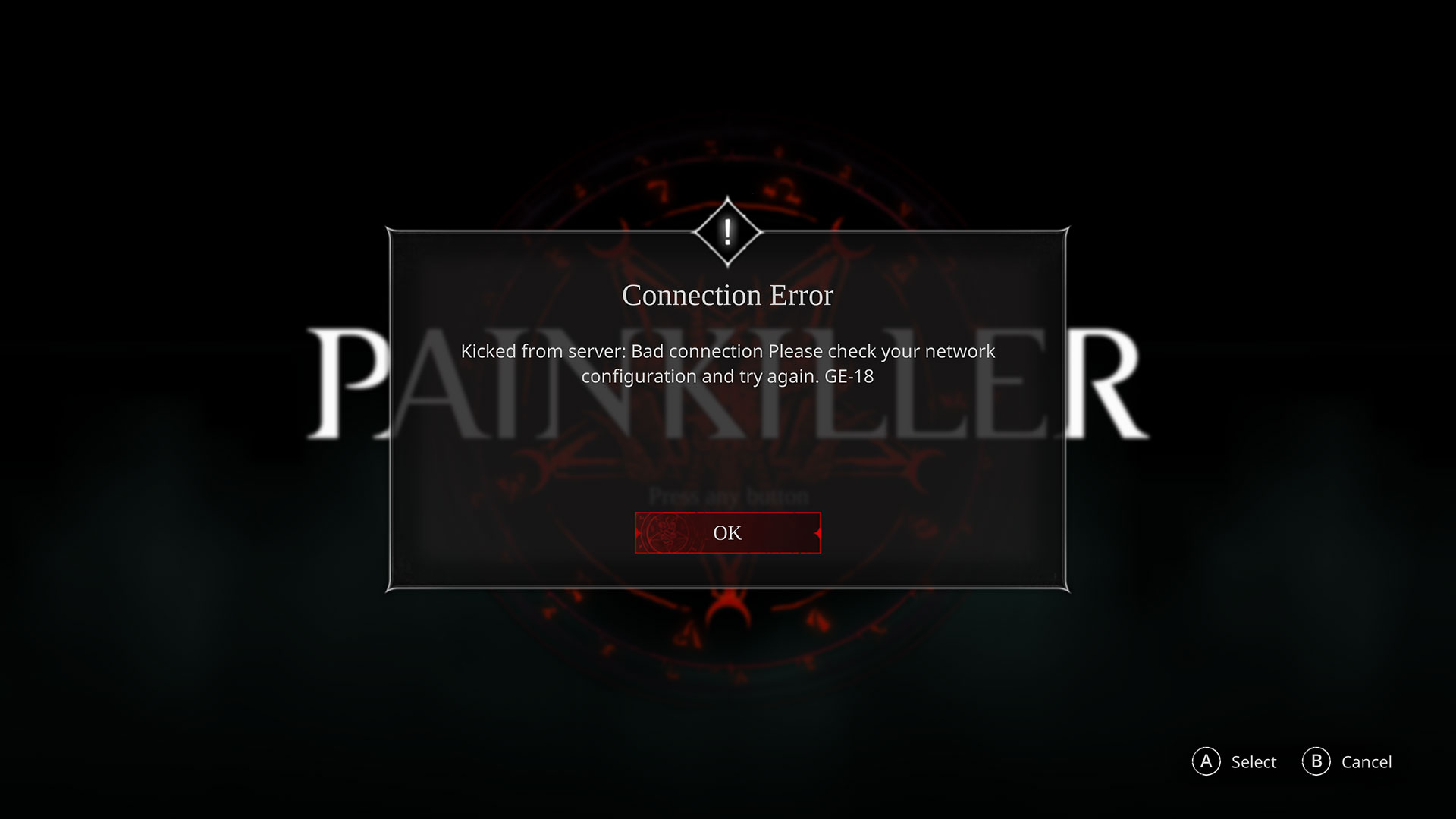
Finally, I have to talk about the agony of the always-online requirement. After 15+ hours it’s clear the game was never meant to be played solo. My first attempts were ruined by unstable internet; I’d join games in progress, play all the way to a boss, then get disconnected halfway through with no bot replacement - just kicked back to the lobby. Solo queueing with randoms eventually worked, but those early solo sessions with bots were miserable.
Conclusion
Painkiller is more than meets the eye, yet still less than it could have been. Hidden beneath the cloak of its inspirations is a fun but shallow experience. I cannot recommend it as a solo game - it simply lacks the depth. Played with three friends, however, it can be an enjoyable (if brief and ultimately forgettable) weekend diversion. Think of it like a shallow backyard pool: perfect for splashing around with buddies on a summer afternoon, but you wouldn’t want to swim laps in it.
Comments (0)
No comments yet. Be the first to share your thoughts!