
Princess of the Water Lilies Review | Cute Cat Puzzle-Platformer with Zelda & Sonic Vibes | PC

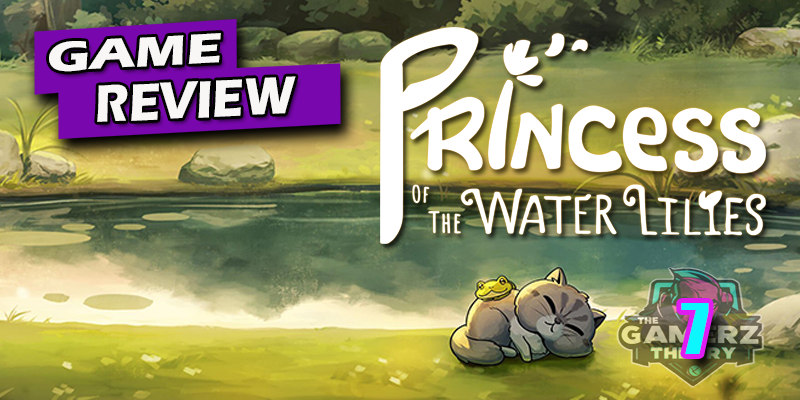
Princess of the Water Lilies (PotWL) is an action platformer starring our hero, a sweet little cat. As if to embody that, my very first button press triggered a “meow” that both surprised me and brought a smile to my face.
I think that is how I would summarize my experience playing Princess of the Water Lilies: a smile on my face while I navigated successive, well-designed puzzle-platforming challenges punctuated by surprisingly enjoyable boss fights.
A strong seven out of ten (7/10), and highly recommendable for fans of the puzzle-platforming genre. Princess of the Water Lilies deserves to be enjoyed by fans of Neva, Planet of Lana, and other thoughtful 2D adventures. This adventure contains a great number of small, movement-mechanic-based puzzles that are just tricky enough and gratifying to scratch the itch.
Although PotWL may share a passing resemblance with others in the genre, after completing the game, I feel it is firmly original and has a style of its own. It actually borrows elements from the likes of Sonic the Hedgehog and The Legend of Zelda’s biome pacing to forge an identity of its own. These inspirations all come together to make a commendable game, so let me explain.
The Hero’s Journey
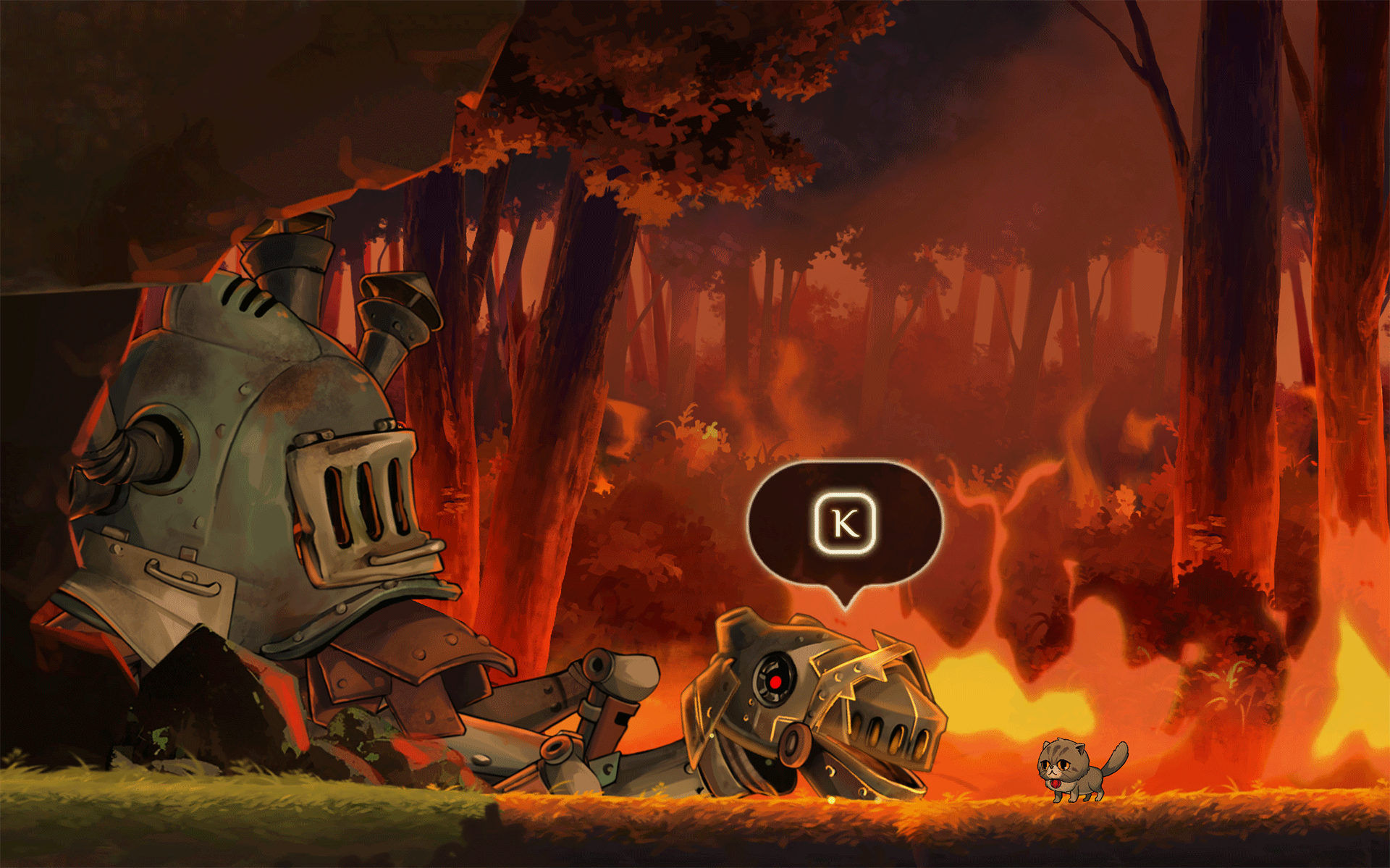
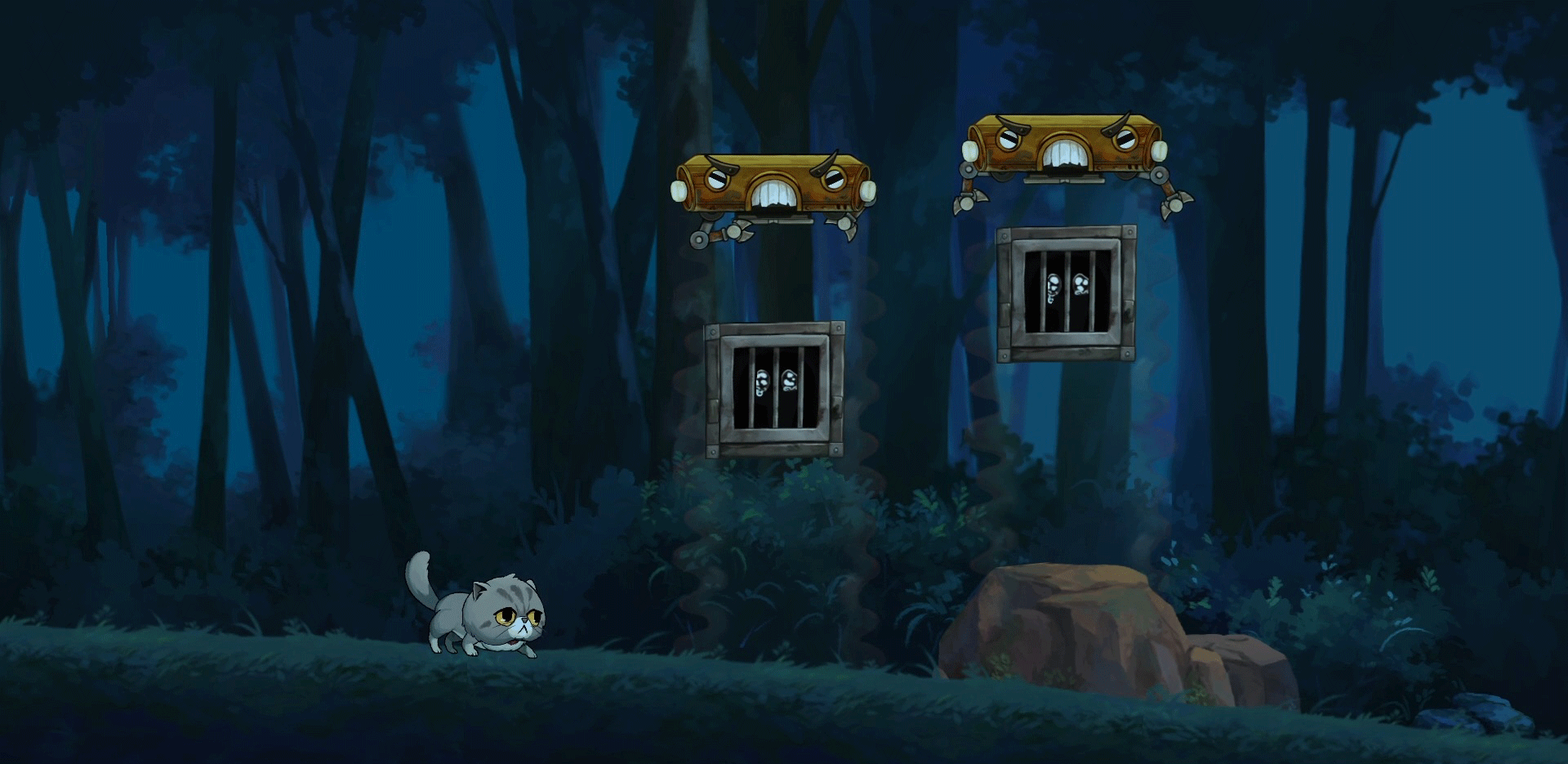
Princess of the Water Lilies follows the titular Princess (a cat) in her quest to vanquish a robotic force that has captured and weaponized the animals of the kingdom. The idea of robots imprisoning local animal populations is straight out of Sonic the Hedgehog, but it is a premise that is put to great use in this game. Battling, defeating, and freeing the animals each serve as story beats in a game that has absolutely zero dialogue. Aside from the occasional “X” or “Y” indicating a save point, there is never a conversation, subtitle, or exposition dump to read. Despite this lack of communication, the player’s motivation is made sufficiently clear: Robots = bad. Animals = good.
The visual storytelling is utilitarian, impressive, and memorable. I think it is worth noting that although the story has the potential to be grim and dark, it is actually portrayed in a different tone. Just like Planet of Lana, the game doesn’t look dark or depressing whatsoever. The subject matter is easy to gloss over when the graphic style is as eye-catching as PotWL’s.
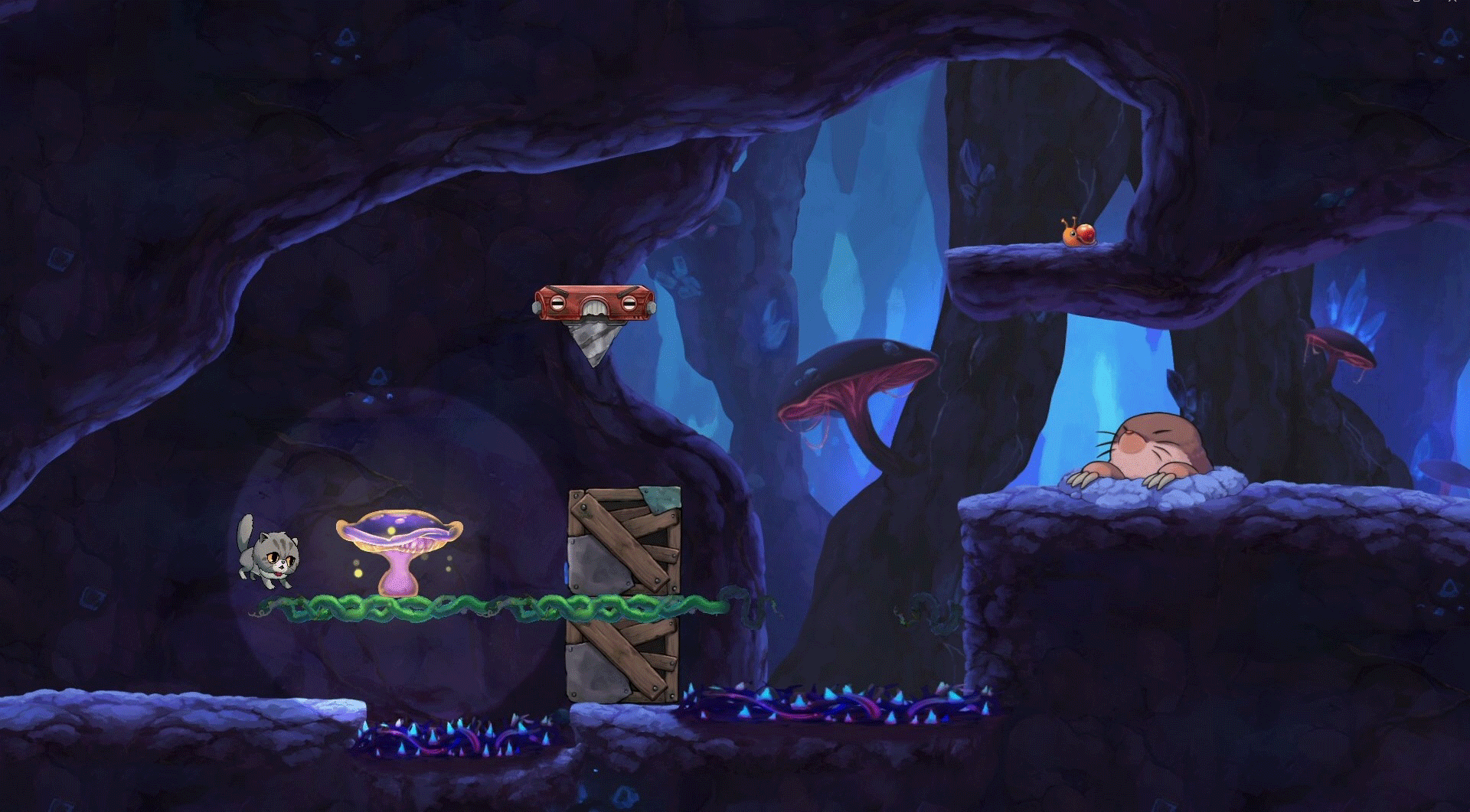
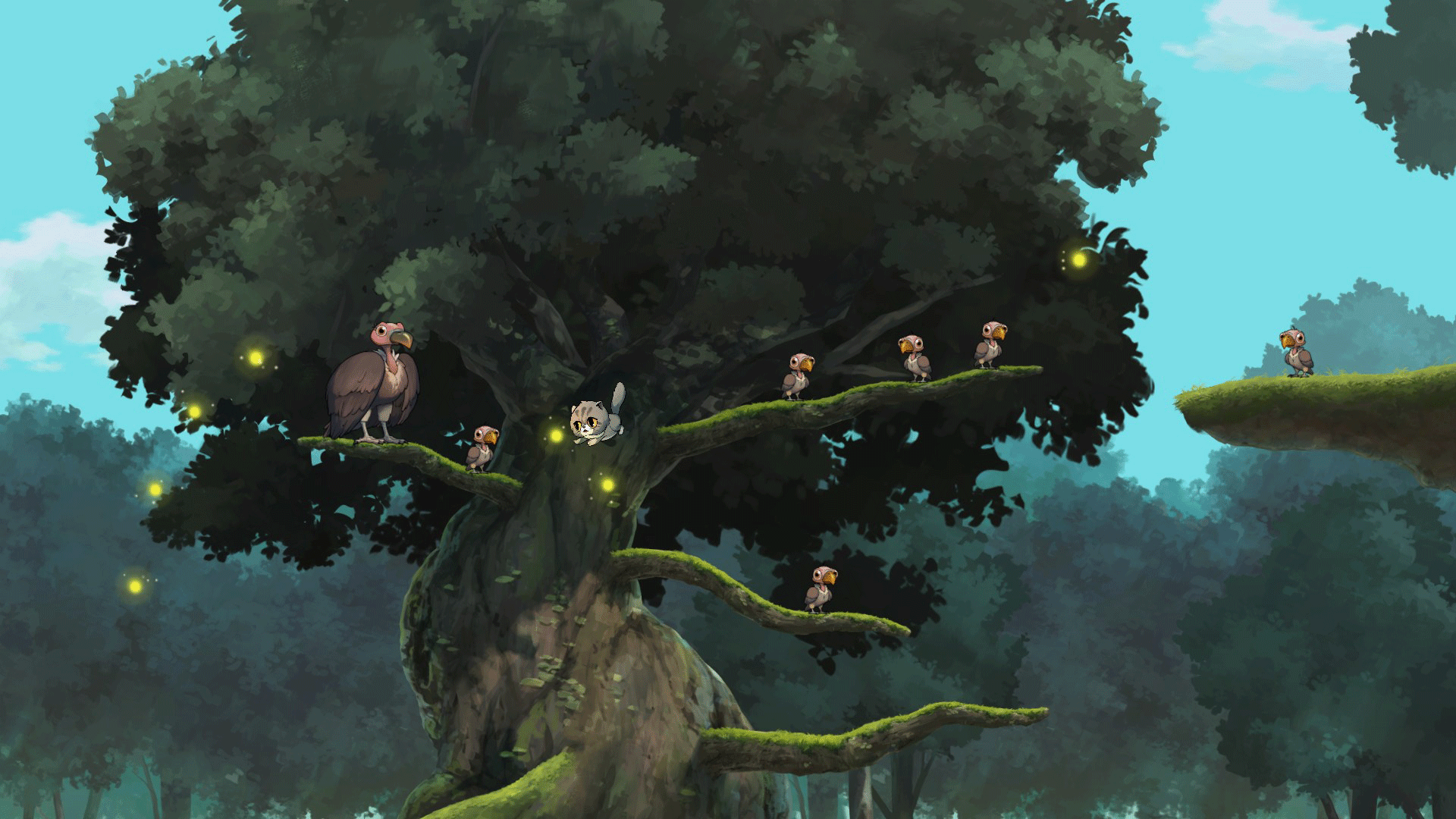
Princess of the Water Lilies is a gorgeous video game; again, this is where Planet of Lana might come to mind. Not only are most of the backgrounds gorgeous layers full of detail and style, but the enemy designs are really interesting. The environmental dangers are either corrupted and controlled animals or mechanical spiders, but in any case, the “MEOW” button is your primary attack.
There are few enemy types to be found in the general areas, but each boss fight features a unique giant mechanoid monster to vanquish.
This brings me to the second comparison I made: Legend of Zelda influences. Firstly, the Princess’ journey spans across five different biomes, each with its own set of challenges, dangers, and aesthetics. Secondly, not only does this match the Zelda formula, but each biome is punctuated by a boss fight that requires mastery of the newly acquired mechanic.
For example, the water-themed area acclimates the player to moving underwater with A and B ascending and descending, respectively. Puzzle after puzzle, that mechanic is reinforced until it is ultimately put to the test fighting a massive danger. In the case of the water boss fight, the challenge was to be patient and evade large numbers of projectile attacks. Similarly, the player’s air-evasion skills are put to the test in a later chapter of the game. This echoes the temple-progression pattern that is core to every Legend of Zelda game.
Both of these comparisons come together to really highlight the best part of the gameplay experience; that is to say, the puzzle mechanics themselves. Each ability is easy to understand, even though new movement mechanics are being introduced constantly. Just when you’ve mastered one of them, you fight the boss and then move on to the next thing to learn—all without a single line of dialogue!
Don’t let difficulty turn you away! This game is surprisingly welcoming to casual players, as there are frequent and forgiving checkpoints every time you shift from one ‘room’ to another. I discovered several times that there are helpful checkpoints/autosaves even in the boss fights! The boss fights were the only parts of the game that I found difficult. It wasn’t often, but each time I failed, PotWL demanded that I learn my lessons and simply play better.
The puzzles were likewise a steady increase in platforming and object-manipulation challenges that utilize a new ability.
To summarize:
Princess of the Water Lilies is a gorgeous and occasionally skill-testing puzzle-platformer. The vibrant visual themes of each chapter of the game represent the different degrees of creativity felt in each puzzle. The relatively short (5–6 hour) story was packed with a steady stream of fun and creative progression. Each boss fight was an exciting battle and an opportunity for the game to show some motivation. Whether it is vanquishing robots, freeing captive creatures, or healing the Great Tree with collectibles, Princess of the Water Lilies has a remarkable amount of charm.
A cat. A crown. A joy to play.



Comments (0)
No comments yet. Be the first to share your thoughts!