
She’s Leaving Review: A Tense But Flawed Short Horror Gem
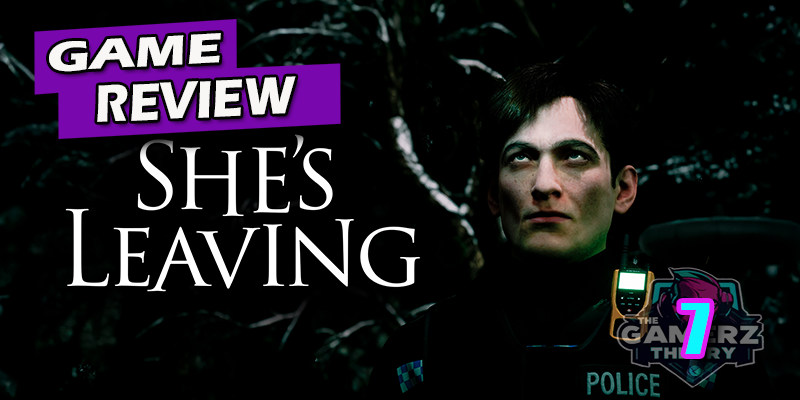
She’s Leaving is a short and sweet experience that ultimately feels like an appetizer. Every challenge posed and every plot development in the game allows the developers to demonstrate a strong talent for level design. The game is not very pleasing to the eye, but much of that can be excused in a dark and atmospheric horror title. There are pulse-pounding moments and a thrilling narrative, and the game is fun - but it’s over before the best elements can be thoroughly enjoyed.
So who are we and why are we here?
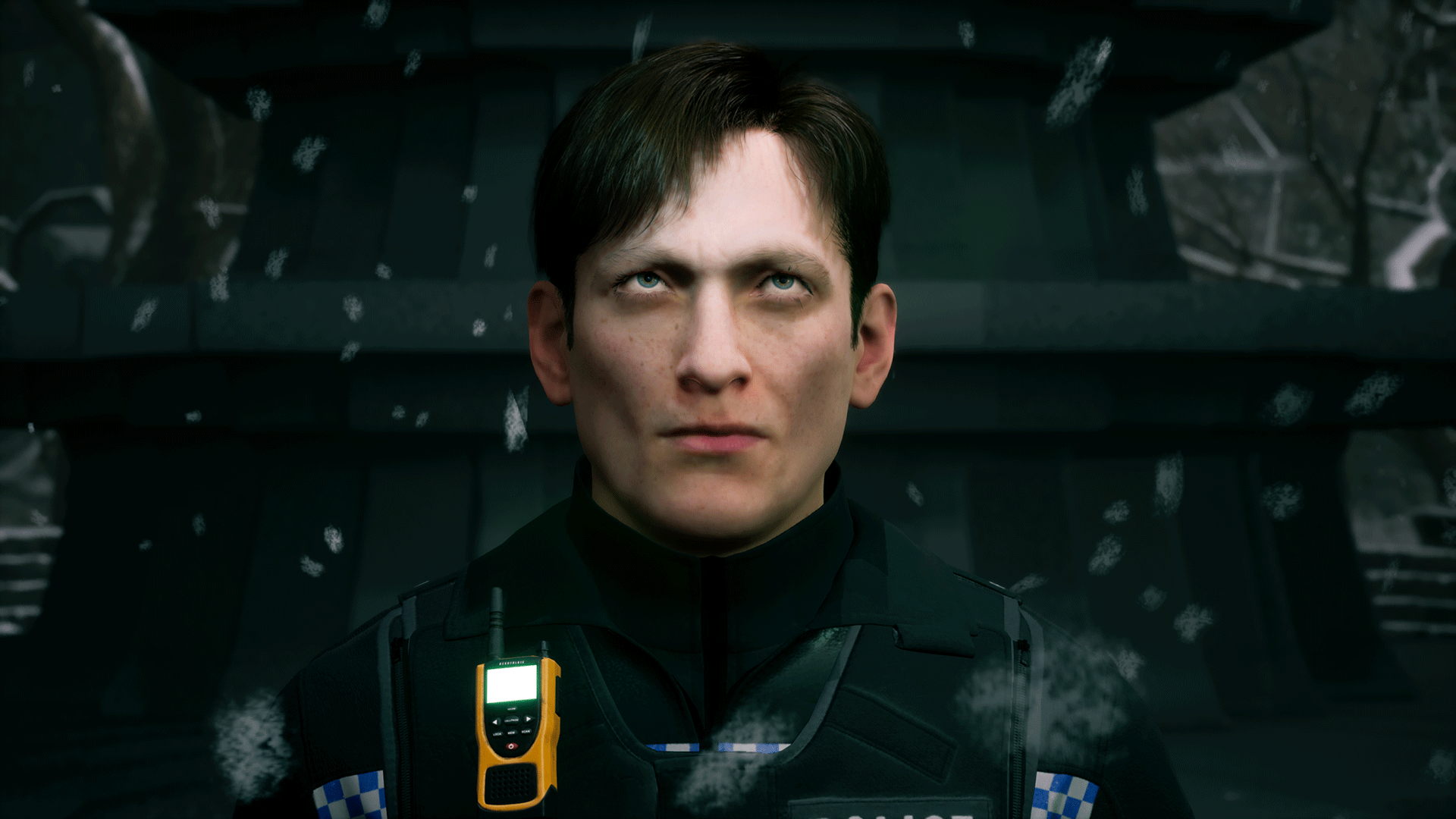
She’s Leaving stars blood-spatter forensics expert Charles Dalton. Charles has decided to do a little rogue work because the police won’t take his hunch seriously. His investigation into a theorized serial killer brings him to House Haywood, where our story unfolds.
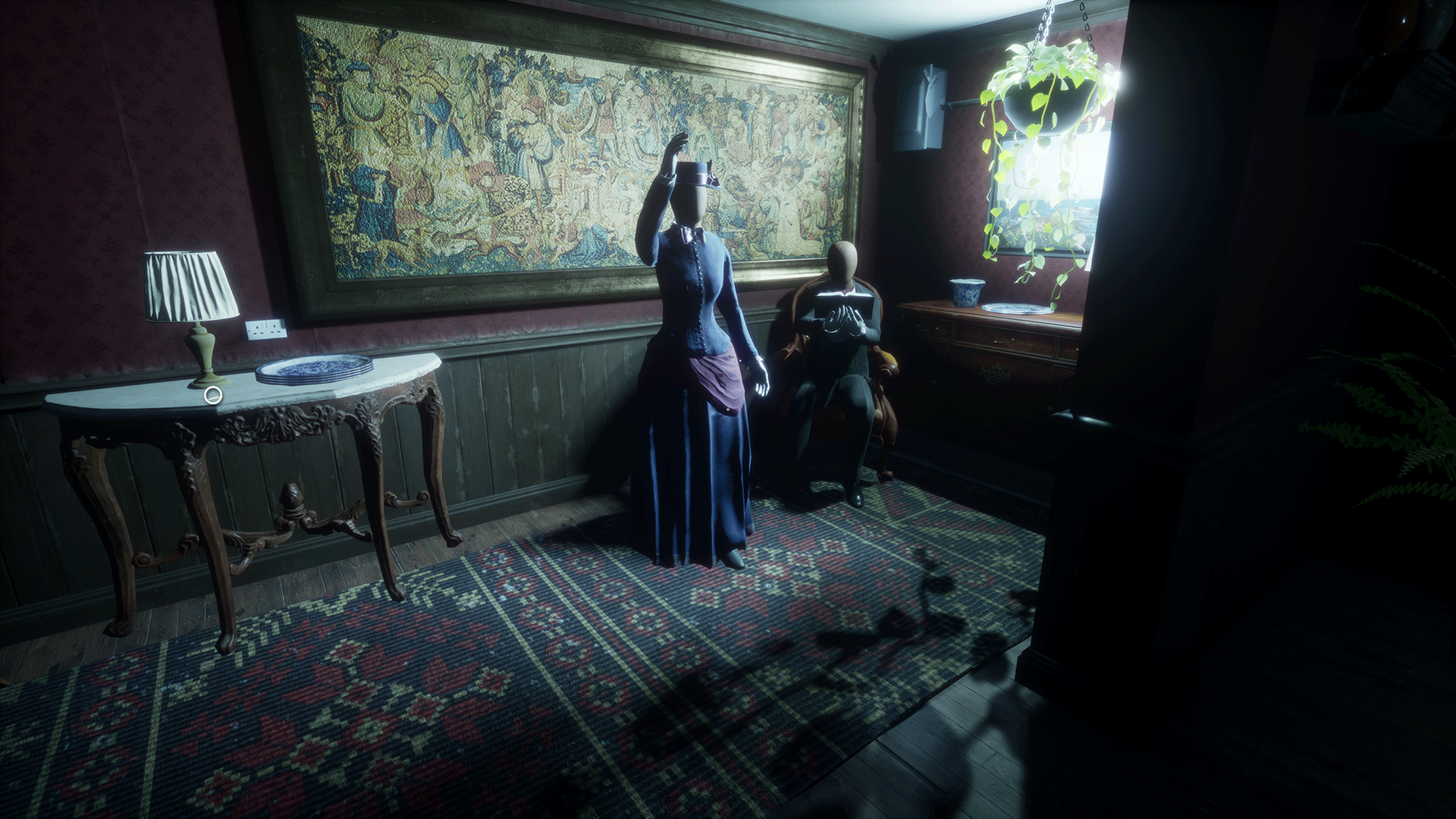
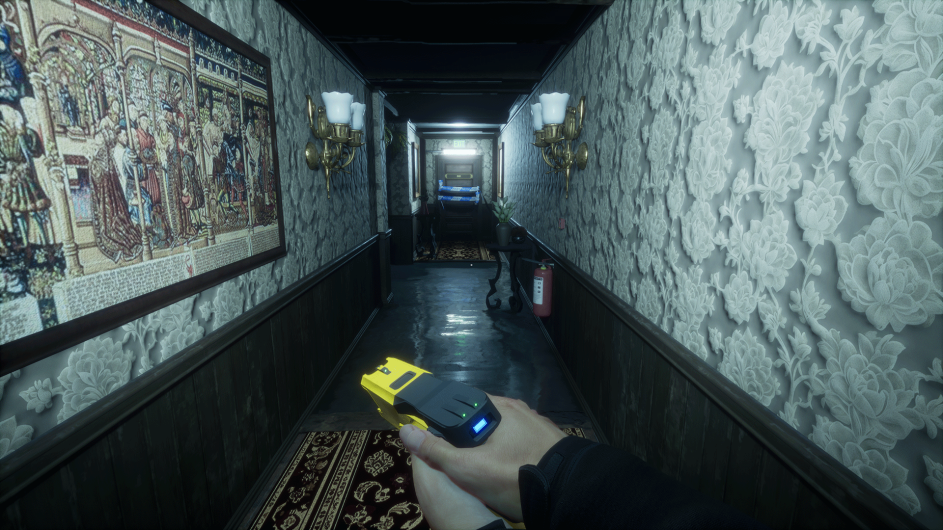
The Haywood house is the perfect setting for all the atmosphere, puzzle potential, and dreadful dangers we expect from a first-person survival horror game. House Haywood and its surrounding grounds serve as the connecting tissue for each of the best moments in She’s Leaving, and, as stated, it fills the role perfectly with long corridors and many rooms to explore. Exploration is the majority of the gameplay; most of the time is spent searching for evidence of the killer or clues to the larger picture.
That larger picture, so to speak, is told through notes, logs, and scraps of information that are found as a reward for enthusiastic players. In my opinion, the lore is an essential part of the overall experience, and to ignore it would be a disservice to oneself. Charles is a forensics expert, after all, and he has a job to do. All these tidbits of lore give the character motivation and paint a deepening atmosphere of dread that is core to any horror experience.
What are we doing here?
The plot of She’s Leaving unfolds at a really satisfying pace. The game is broken up into chapters, and each one introduces new plot pieces while opening Charles up to a terrifying opponent: the Stalker.
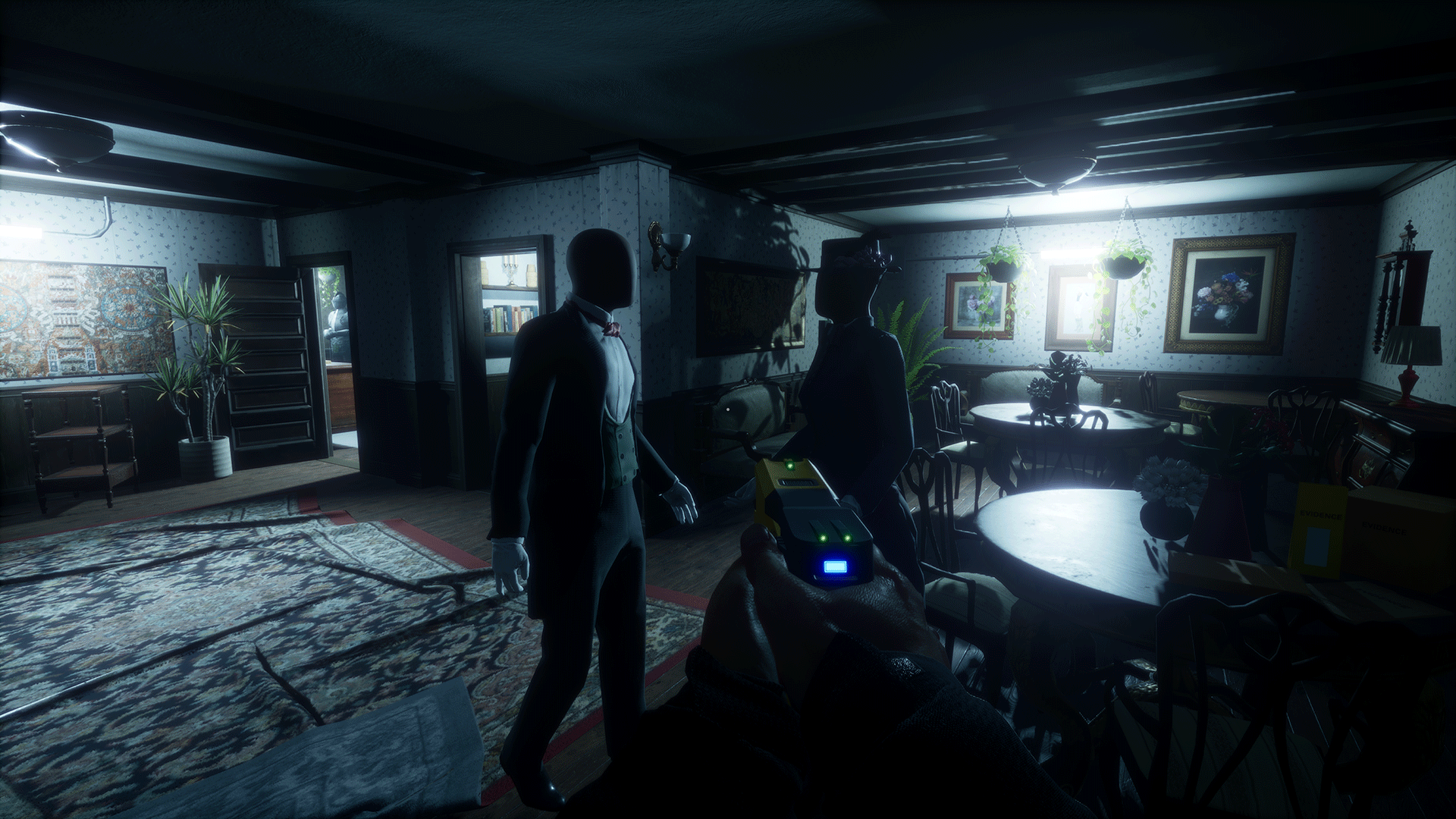
The pulse-pounding action moments involve the Stalker patrolling key parts of the environment. Many encounters can be avoided with careful, timed movement, but when he is triggered, it’s game on. A core part of every survival horror game is feeling disadvantaged. In She’s Leaving, you have only your trusty taser - and a shockingly large amount of taser ammo scattered about. Although you cannot kill the Stalker outright, I found there were always enough spare taser rounds along the way to easily suppress any real threat. This is one of the main elements that wasn’t quite perfected and that sorely limits the stakes and excitement of the encounters. I must have given the Stalker a heart condition at the very least.
The best part of the game is the progression and puzzle-like nature of the environment. All of Charles’s time in House Haywood is spent digging through nooks and dark rooms in search of keys. Each key opens another room, and so the investigation continues. Exploring to find these keys and building familiarity with the house layout was a lot of fun and my favorite part of the experience. It gave the impression of a puzzle system that was heartbreakingly underutilized. Getting the keys and opening rooms felt satisfying in terms of story progression and map familiarity, but I can’t help thinking of all-time classic spooky-mansion games like Resident Evil and how that series packed in all manner of puzzles. I can’t expect every game to reach those legendary heights, but if even a fraction of that complexity had been applied to She’s Leaving, it would have been a much more memorable - and therefore recommendable - experience.
My favorite element of She’s Leaving is the level design. Even though there are only a few maps posted at fixed locations, the game is designed so that the player is never truly lost. At least in my playthrough, the map design guided me in the right direction in a very intuitive way. At key points, certain parts of the map change to reveal completely new paths, and even those were easy to navigate. In moments of high tension or during one of the many laps around the house, I never felt frustrated or lost, and that kept the induced stress at a manageable level.
The elephant in the room
When it comes to She’s Leaving’s sound and graphics, there’s an ugly elephant in the room. The graphics are quite bad.
As I said earlier, that can sometimes be excused for truly masterful horror auteurs, but that is not the case here. The audio is serviceable - neither good nor bad - but the textures, character models, lighting, polygons, and reflections are inarguably poor. At one point, roughly three-quarters through the game, a character remarks, “The sky looks amazing,” which gave me an involuntary laughing fit. An easy way to describe the visuals is “dated” or low-effort. I’m a huge horror-game fan, so I tried not to let it bother me, but parts of this game would not look out of place on the Xbox 360/PS3 era.
In conclusion
She’s Leaving is a short but fun survival-horror thriller. The main highlights are the exploration, map design, light puzzle elements, and compelling lore. Unfortunately, the game is not eye candy, and even the strongest elements can’t fully mask that fact. Not genre-defining, but a good amount of fun nonetheless.



Comments (0)